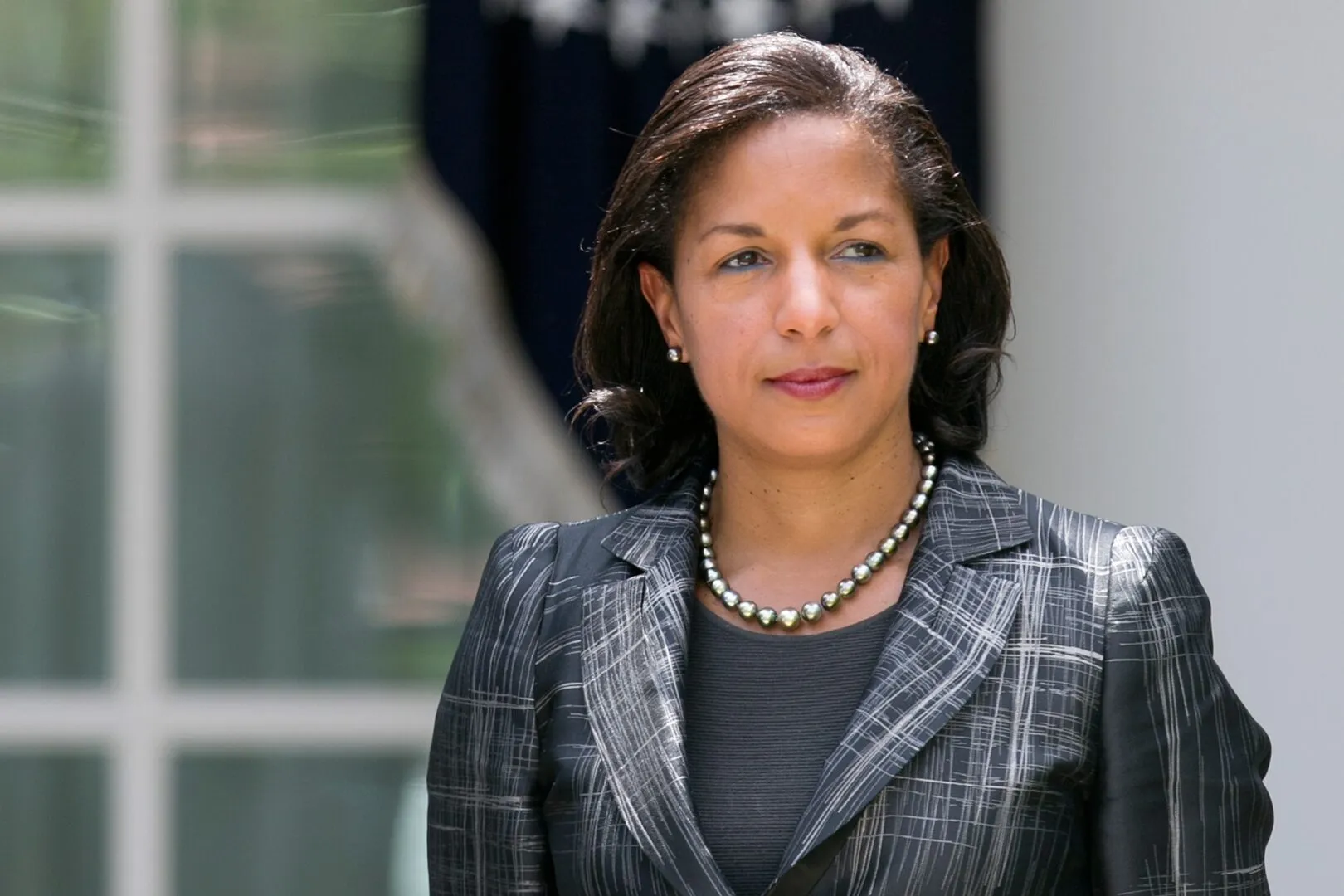
Susan Rice is an American diplomat and public policy expert who has held several high-profile roles, including U.S. Ambassador to the United Nations, National Security Advisor, and Domestic Policy Advisor. Known for her direct communication style and firm positions on international affairs, Rice has delivered many statements that have become widely quoted in discussions about diplomacy, leadership, democracy, and human rights.
Her most famous quotes reflect her belief in strong leadership, multilateral cooperation, and the responsibility of governments to protect democratic values.
Quotes on Leadership and Accountability
Susan Rice has frequently emphasized accountability as a central principle of leadership.
“Leadership is about making tough choices and being accountable for them.”
This quote captures her view that leaders must accept responsibility for difficult decisions, especially in areas such as national security and foreign policy.
Another often-cited statement is:
“Positions of power demand a higher standard of responsibility.”
This reflects her belief that authority comes with ethical obligations.
Quotes on Diplomacy and International Relations
Rice is a strong advocate for diplomacy as a vital component of national strength.
“Diplomacy is not weakness; it is a critical instrument of national power.”
This quote summarizes her argument that negotiation and international engagement strengthen a nation rather than undermine it.
She has also spoken about the importance of cooperation between countries:
“No country can solve global challenges on its own.”
This statement highlights her support for multilateral solutions to global issues such as conflict, climate change, and humanitarian crises.
Quotes on National Security
While serving as National Security Advisor, Rice often addressed the balance between security and values.
“Our security depends not only on military strength, but on moral leadership.”
This quote emphasizes her belief that national security is strongest when power is paired with principles like justice and respect for international law.
Quotes on Human Rights
Rice has consistently argued that human rights are central to global stability.
“Human rights are not an optional extra; they are essential to peace and security.”
This statement is frequently referenced in discussions about humanitarian intervention and international responsibility.
Quotes on Democracy
Democracy has been a recurring theme in Rice’s public remarks.
“Democracy is not self-sustaining; it must be defended and renewed.”
This quote reflects her view that democratic systems require active protection and participation to survive.
Quotes on Public Service
Rice has spoken often about the purpose of working in government.
“Public service is about contributing to something larger than yourself.”
This quote is commonly used to illustrate the values of civic duty and national service.
Why These Quotes Are Significant
Susan Rice’s most famous quotes matter because they:
-
Reflect decision-making at the highest levels of government
-
Reveal modern diplomatic thinking
-
Address the tension between ideals and real-world policy
-
Capture defining moments in U.S. political history
Her statements are frequently studied in leadership, international relations, and political science discussions.
Susan Rice’s most famous quotes focus on leadership, diplomacy, accountability, democracy, and human rights. Known for her confident and assertive communication style, she has used her words to defend policy choices, emphasize ethical responsibility, and advocate for international cooperation. Whether admired or debated, her quotes continue to shape conversations about governance and global leadership.
Susan Rice Education: A Detailed Overview
Susan Rice is widely recognized for her influential career in diplomacy and public service, but her achievements are strongly rooted in an exceptional academic background. Her education reflects a deep focus on history, international relations, and public policy, providing the foundation for her roles as U.S. Ambassador to the United Nations, National Security Advisor, and Domestic Policy Advisor.
Early Academic Excellence
Susan Rice demonstrated strong academic ability from a young age. Raised in a family that valued education, public service, and intellectual curiosity, she excelled in school and developed an early interest in global affairs, politics, and history.
Her early education emphasized critical thinking, debate, and analytical skills—qualities that would later define her professional career.
Undergraduate Education at Stanford University
Susan Rice attended Stanford University, one of the most prestigious universities in the United States.
-
Degree: Bachelor of Arts
-
Field of Study: History
-
Honors: Graduated with distinction
At Stanford, Rice focused on:
-
International history
-
Political systems
-
Global conflict and diplomacy
Her studies helped her develop a strong understanding of how historical events shape modern international relations. Stanford’s rigorous academic environment also sharpened her research, writing, and analytical abilities.
Rhodes Scholar at the University of Oxford
After completing her undergraduate degree, Susan Rice earned one of the world’s most competitive academic honors: the Rhodes Scholarship.
As a Rhodes Scholar, she studied at the University of Oxford in the United Kingdom.
-
Degree: Doctor of Philosophy (DPhil)
-
Field of Study: International Relations
Her doctoral research focused on international peacekeeping and conflict resolution, particularly in post-conflict societies. This area of study directly aligned with the issues she would later address as a senior U.S. diplomat.
At Oxford, Rice gained:
-
Advanced training in international relations theory
-
Deep exposure to global perspectives
-
Experience engaging with scholars and students from around the world
Academic Focus and Research Interests
Throughout her education, Susan Rice concentrated on:
-
International security
-
Conflict prevention and resolution
-
Peacekeeping operations
-
The role of international institutions
These academic interests shaped her professional worldview and influenced her approach to diplomacy, particularly her emphasis on multilateral cooperation and international responsibility.
How Her Education Shaped Her Career
Susan Rice’s education played a crucial role in her rise to national and international leadership:
-
Her history degree provided context for understanding global power dynamics.
-
Her doctoral training equipped her with analytical tools to assess complex international crises.
-
Studying abroad broadened her global perspective and cultural awareness.
Her academic background helped her navigate high-pressure roles requiring strategic thinking, policy analysis, and negotiation skills.
Reputation as an Intellectual Leader
Rice’s educational credentials have contributed to her reputation as:
-
A policy expert with deep subject-matter knowledge
-
A disciplined and well-prepared decision-maker
-
A leader who values evidence-based policy
Her ability to articulate complex issues clearly is often attributed to her strong academic foundation.
Susan Rice’s education is marked by academic excellence and intellectual rigor. From earning a history degree with distinction at Stanford University to completing a doctorate in international relations at Oxford as a Rhodes Scholar, her educational journey laid the groundwork for her distinguished career in public service. Her studies not only shaped her professional expertise but also influenced her approach to leadership, diplomacy, and global problem-solving.
What Ethnicity Is Susan Rice?
Susan Rice is African American. Her ethnicity reflects a long family history rooted in the African American experience in the United States, combined with a strong tradition of education, civil rights advocacy, and public service.
Family Background
Susan Rice was born in the United States to African American parents who were both highly accomplished professionals.
-
Her father, Emmett J. Rice, was an economist, professor, and former governor of the Federal Reserve System.
-
Her mother, Lois Dickson Rice, was a scholar, educator, and advocate for educational access, particularly for underserved communities.
Both parents were deeply involved in academia and public service, and they played an important role in shaping Susan Rice’s identity, values, and worldview.
African American Heritage
As an African American woman, Susan Rice is part of a community whose ancestry traces back primarily to Africans brought to the United States through the transatlantic slave trade, as well as generations who contributed to American society through resilience, culture, and civic engagement.
Her heritage connects her to:
-
The broader African American historical experience
-
The civil rights movement and its legacy
-
Ongoing discussions about race, equality, and representation in American life
Cultural Identity and Upbringing
Susan Rice was raised in a family that emphasized:
-
Education and academic excellence
-
Public service and civic responsibility
-
Awareness of racial history and social justice
Growing up African American in the United States influenced her understanding of inequality, opportunity, and leadership. These experiences shaped her approach to policy, diplomacy, and governance.
Representation in Public Office
Susan Rice has often been recognized as a trailblazer because of her ethnicity and gender. As an African American woman, she has held several senior roles that historically lacked diversity, including:
-
U.S. Ambassador to the United Nations
-
National Security Advisor
-
Domestic Policy Advisor
Her success in these positions has made her an important figure in discussions about representation and inclusion in government and international affairs.
How Ethnicity Has Shaped Her Perspective
While Susan Rice has emphasized competence and policy expertise over identity politics, her background has informed her views on:
-
Human rights
-
Democracy and equality
-
The importance of inclusive institutions
She has spoken about the importance of creating systems that allow people of all backgrounds to participate fully in public life.
Conclusion
Susan Rice is African American, and her ethnicity is an important part of her identity and life story. Raised in a family deeply committed to education and public service, she has drawn on her heritage and experiences to become one of the most influential diplomats and policy advisors in modern American history. Her career reflects both personal achievement and broader progress in representation within U.S. leadership.

Abdeslam is the Founder and Editor-in-Chief of Prevnews.top, where he oversees global news coverage and editorial integrity. With over 13 years of experience in digital journalism and a background in Blogging, i specializes in translating complex global events into actionable insights. Abdeslam is committed to 100% human-verified reporting. Connect with him on [LinkedIn] or follow his latest updates on [Twitter/X].